
In a county stitched together with cob cottages, Georgian townhouses, and draughty farmhouses, energy efficiency is not just a tick box. It is an art form. And in this particular gallery, Devon Energy Surveyors Ltd hold a very steady brush.
Specialists in EPC Certificates
If you own, sell, or let a property in the UK, you will already know about Energy Performance Certificates. EPCs are the quiet gatekeepers of the housing world. They translate insulation, heating systems, glazing and ventilation into a neat band from A to G. Behind that neat letter grade lies a detailed technical assessment that requires precision and judgement.
Devon Energy Surveyors Ltd specialise in producing EPC certificates with accuracy, clarity, and a practical understanding of how buildings actually behave in the real world. They do not simply input numbers into software and press print. They assess fabric, heating, ventilation and thermal performance with the trained eye of professionals who understand that buildings are living systems. Walls breathe. Timber moves. Stone stores heat like a slow memory.
Expertise in Older and Traditional Buildings
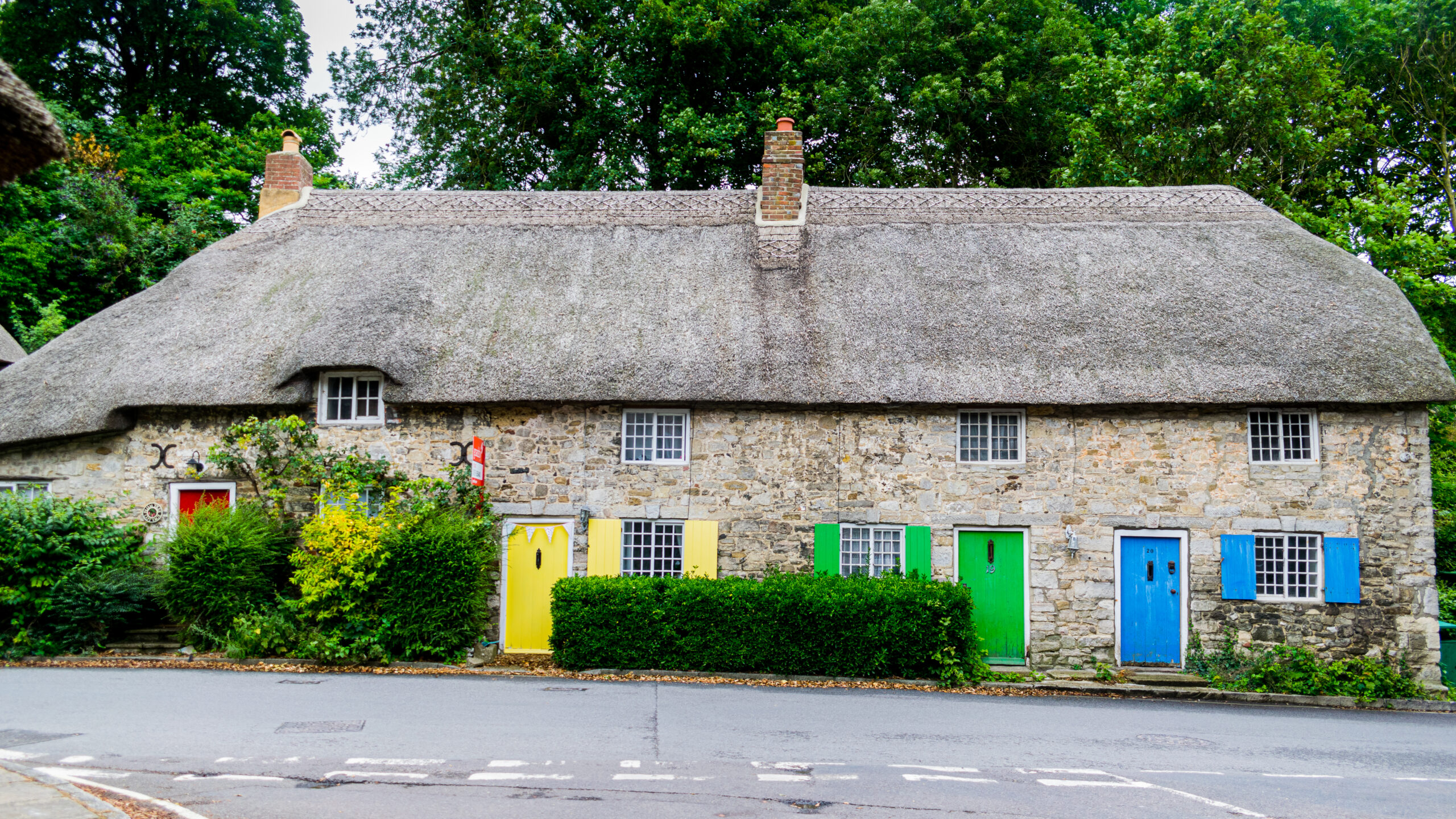
Devon is not a county of uniform new builds. It is a landscape of thatch, lime mortar, granite, cob and centuries of architectural evolution. Assessing these properties demands more than textbook knowledge. It demands specialist training.
Devon Energy Surveyors Ltd are holders of the Level 3 Award in Energy Efficiency for Older & Traditional Buildings. This qualification is specifically designed for professionals working with heritage and traditionally constructed properties. It focuses on understanding:
- Solid wall construction
- Breathable materials such as lime and clay
- Moisture movement and condensation risk
- The interaction between modern insulation methods and historic fabric
This matters enormously. Applying standard modern assumptions to a 300 year old cob cottage can lead to inappropriate recommendations that risk damp, trapped moisture, or damage to original materials. A surveyor trained in older and traditional buildings understands the delicate balance between improving efficiency and protecting character.
In short, they know the difference between upgrading a Victorian terrace and treating it like a 2020 housing estate.
Why This Qualification Matters in Devon
Across towns like Totnes, Dartmouth, Crediton and the villages scattered between moor and coast, many homes were built long before cavity walls and plastic membranes became commonplace. They were designed to manage moisture through breathability and airflow rather than sealed envelopes and mechanical ventilation.
A Level 3 trained assessor recognises this. They understand that:
- Solid stone walls behave differently from cavity walls
- Lime plaster should not be treated like gypsum
- Insulation choices must respect moisture pathways
- Recommendations must be practical, proportionate and sympathetic
This depth of understanding allows Devon Energy Surveyors Ltd to provide EPC assessments that are not only compliant, but genuinely useful.
Practical, Honest Advice
Energy efficiency can sometimes feel like a bureaucratic maze. Devon Energy Surveyors Ltd focus on clear explanations and realistic guidance. They help property owners understand what improvements are possible, what is sensible, and what may not be appropriate for a traditional building.
For landlords navigating Minimum Energy Efficiency Standards, homeowners preparing to sell, or buyers wanting clarity before committing, specialist knowledge makes all the difference.
Protecting Character While Improving Performance
There is something deeply satisfying about improving a building’s energy performance without stripping away its soul. It requires care, training, and respect for traditional construction methods.
By combining EPC expertise with formal qualifications in energy efficiency for older and traditional buildings, Devon Energy Surveyors Ltd are uniquely positioned to serve the kind of properties that define Devon’s architectural landscape.
In a county where history is built into the walls, specialist knowledge is not a luxury. It is essential.
